Who Should Make the Decision?
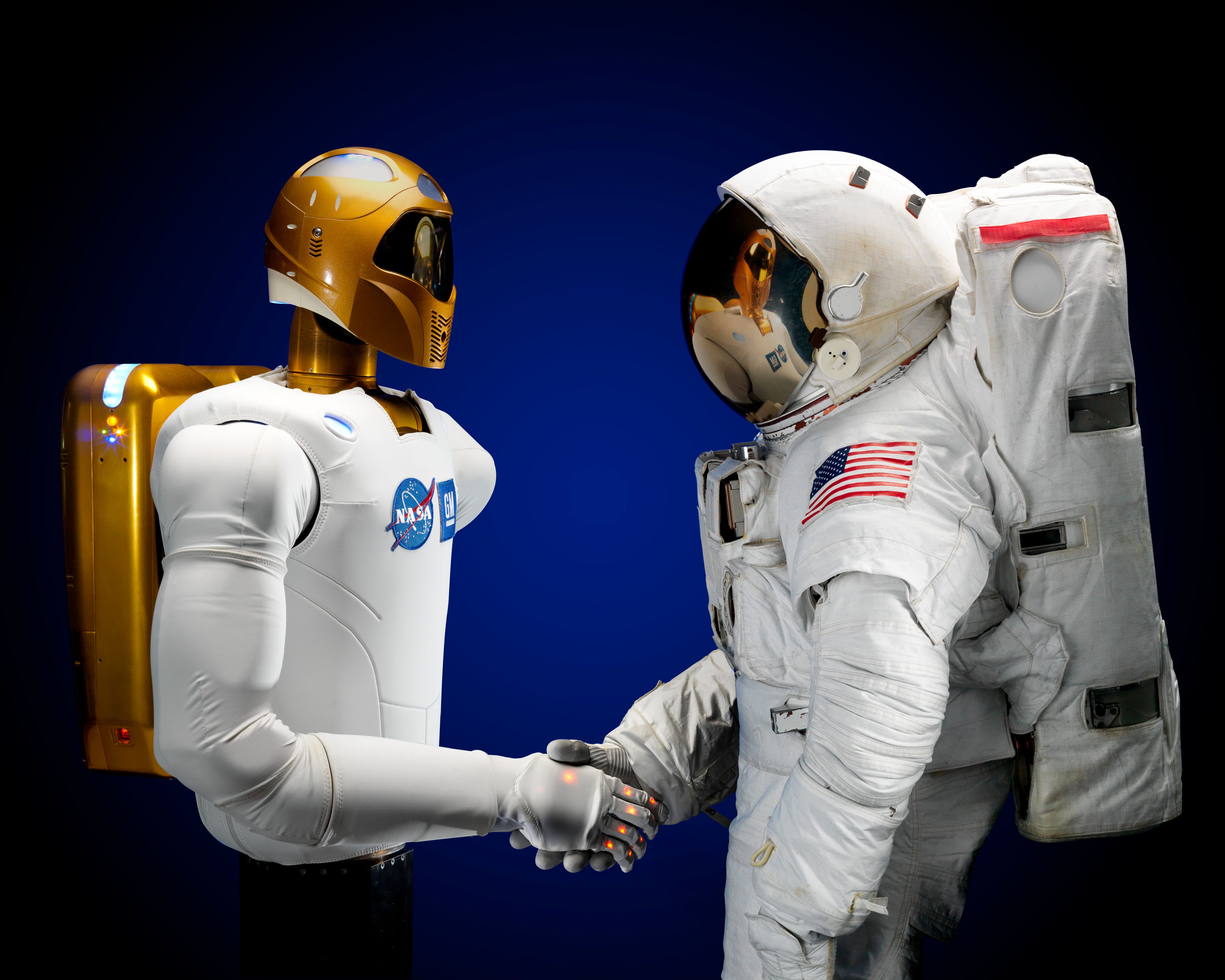
Human oversight has become one of the basic principles of AI ethics. The EU requires it for high-risk systems. UNESCO insists that AI cannot replace ultimate human responsibility. The ICRC wants human judgment preserved in decisions over lethal force. Pope Leo goes further: lethal or otherwise irreversible decisions should never be entrusted to artificial systems.
But why assume that putting a human in the decision makes it better?
Human judgment is already heavily delegated. We rely on specialists and on systems built by other people. Insurance companies have long made consequential decisions through fairly crude algorithms. A sufficiently capable AI may actually take more of the individual case into account than the system it replaces.
Scale matters too. A person cannot seriously deliberate over thousands of decisions. Once the volume becomes large enough, “human oversight” can mean little more than receiving a recommendation and approving it. The human remains present while the judgment has effectively moved elsewhere.
The issue is who does it better. Does the system notice the relevant facts and exceptional circumstances? How often does it make mistakes, and what kind? Can its conclusions be challenged when something has gone wrong?
Responsibility does not require personally performing the reasoning. If I ask an AI to write something and publish it under my name, I am responsible for publishing it whether I carefully read it or not. An institution can likewise remain responsible for choosing and deploying an automated decision system.
There may still be acts that must remain human even when AI becomes better at the underlying judgment. Killing is the obvious case. But that requires a stronger argument: something about the nature of the act or of human moral agency that makes human participation intrinsically important.
AI is making that question harder because an old assumption is disappearing. Automation used to mean rigid rules while humans supplied context and judgment. Increasingly, that may be precisely what the machine is better at.